
What Is the Clay Bowl Effect and How Does It Affect Homes in Indiana?
Most homeowners don’t think twice about the soil around their foundation—until water starts seeping into the basement or cracks appear in their walls. At A&M Waterproofing & Foundation Repair, we believe that knowing what’s happening underground is just as important as the structure above it.
One of the most common soil-related issues we encounter in northern and central Indiana is the Clay Bowl Effect. It’s a major contributor to basement leaks, foundation cracks, and even settlement. Understanding what it is and how it works can help you protect your home before small issues become costly repairs.
What Is the Clay Bowl Effect?
When your home’s foundation was originally built, contractors had to dig a large hole to pour the footings and basement walls. Once the foundation was complete, that soil was pushed back into place—but it was never as compacted as the undisturbed soil surrounding it. This loose backfill soil is more porous and holds water more easily than native soil.
As a result, a “bowl” of loose, moisture-absorbing soil forms around your foundation. During heavy rainstorms or snowmelt, this area becomes saturated. Since the backfill is less stable, it holds water close to your foundation walls—creating The Clay Bowl Effect.

Why It’s a Problem in Indiana
In many Indiana regions—especially around South Bend, Fort Wayne, Plymouth, and Granger—soils are rich in clay, which expands when wet and shrinks during dry weather. When combined with the clay bowl effect, this leads to three major issues:
1. Water Pressure Against Basement Walls
When backfill soil becomes oversaturated, it creates hydrostatic pressure. This pressure pushes water against your foundation, often forcing it through tiny cracks or joints and into your basement.
2. Foundation Settlement
Clay-rich soils shrink and crack during droughts, then swell and shift when it rains again. Over time, this movement beneath your foundation causes uneven settling, leading to cracked walls, sloping floors, and jammed doors or windows.
3. Moisture and Mold in Basements or Crawl Spaces
The bowl of loose soil traps moisture, especially if your home lacks proper waterproofing. That constant dampness can lead to musty smells, wood rot, and dangerous mold growth in basements or crawl spaces.
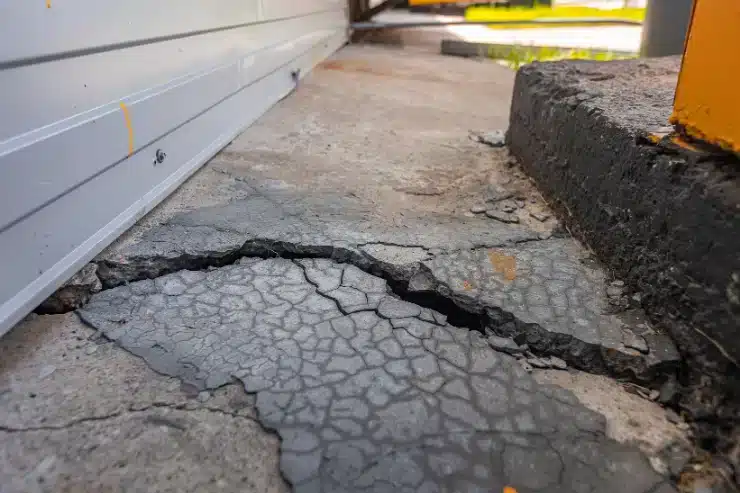
Warning Signs to Watch For
- Cracks in basement walls or slab floors
- Water seeps in after rain
- A musty odor in your lower level
- Bowed basement walls or inward wall movement
- Uneven floors or foundation settlement
- Soil pulling away from the foundation during dry months
How A&M Waterproofing Helps Fix It
We specialize in diagnosing and resolving problems caused by the clay bowl effect using proven, permanent solutions for homes across northern and central Indiana.
Foundation Repair
We stabilize sinking or settling homes using steel push piers and helical piers, which bypass unstable surface soils and anchor your home into firm, load-bearing ground.
Waterproofing Systems
From sump pumps to drainage systems, we install complete interior and exterior waterproofing solutions that relieve hydrostatic pressure and direct water away from your foundation.
Drainage and Grading
We help correct poor yard grading, install downspout extensions, and recommend landscaping improvements to prevent water from pooling around your foundation.
Protect Your Home Before Damage Spreads
The clay bowl effect is a silent threat—but its signs are easy to spot if you know what to look for. Whether you’ve noticed water in your basement or foundation cracks, A&M Waterproofing & Foundation Repair can provide a free inspection and honest assessment of what’s going on. Serving Indiana homeowners in Fort Wayne, South Bend, Granger, Plymouth, and beyond, we understand the local soil conditions—and we know how to fix the problems they cause.
Schedule your free evaluation today and let our team help you protect your home from the ground up.