
How Indiana Winters Cause Foundation Cracks: The Freeze-Thaw Cycle Explained
In places like Fort Wayne, Plymouth, South Bend, and Granger, winter isn’t just tough on your car or driveway—it’s hard on your foundation too. The freeze-thaw cycle that happens every winter is one of the biggest contributors to foundation cracks and concrete damage in Indiana homes.
At A&M Waterproofing & Foundation Repair, we’ve helped countless homeowners address damage that started with just a little moisture, some cold weather, and time. Let’s explore how the freeze-thaw process works and why it’s a serious concern for your basement or crawl space foundation.
What Is the Freeze-Thaw Cycle?
The freeze-thaw cycle occurs when water enters cracks, pores, or the soil around your home, then freezes and expands as temperatures drop. Later, it thaws and contracts. This repeated movement applies pressure to anything it touches, including concrete walls and floors.
- Water expands by roughly 9% when it freezes, so even small cracks can grow quickly.
- As ice expands within concrete, it pushes outward, breaking the structure apart bit by bit.
- Thawing brings in new moisture, and the cycle repeats—especially in fluctuating weather as we see in Indiana.
This cycle doesn’t take a break when you do. Even in mild winters, it can repeat dozens of times, compounding the damage with each swing in temperature.
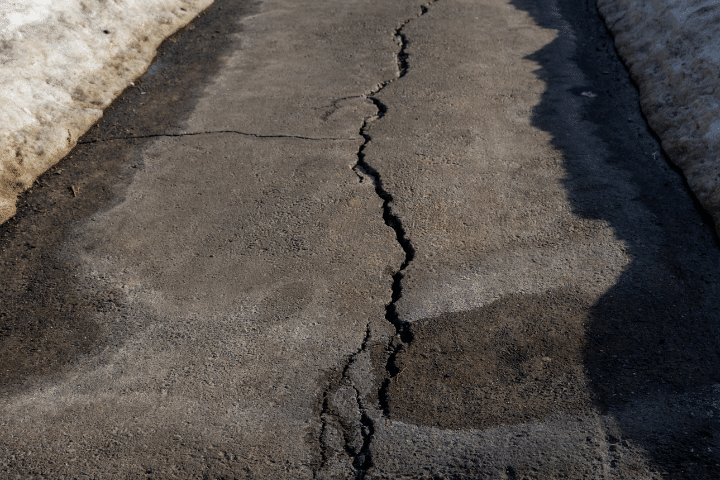
How Freeze-Thaw Cycles Damage Your Foundation
Cracks in Foundation Walls or Basement Floors
Moisture seeps into tiny cracks or pores in your foundation. When that moisture freezes, it expands within the concrete, increasing stress and causing cracks to widen and deepen. You might notice:
- Vertical or diagonal cracks along basement walls
- Stairstep cracks in concrete block foundations
- Hairline cracks that grow larger after a deep freeze
These aren’t just cosmetic issues. Foundation cracks can lead to basement water leaks, structural instability, and even health problems from mold growth due to excess moisture.
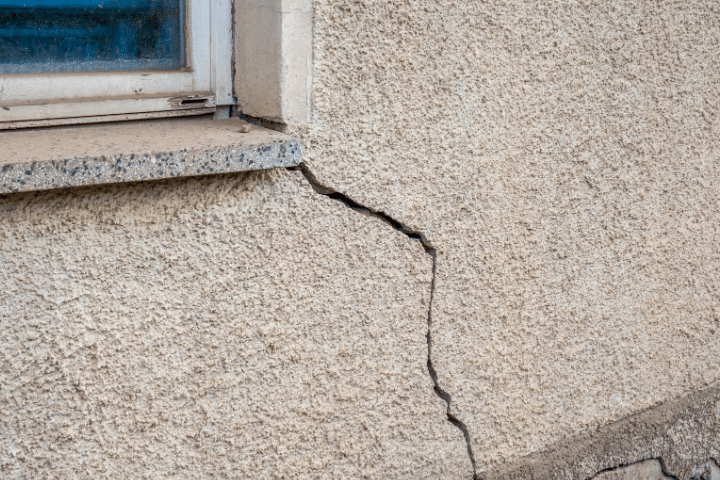
Soil Expansion and Pressure
Soil around your foundation also plays a role. As it freezes, it expands and pushes against foundation walls, creating pressure from the outside in. In many Indiana neighborhoods with clay-rich soil, this process can cause:
- Bowing or leaning basement walls
- Heaving or shifting floors
- New gaps between walls, ceilings, or floors
This pressure can build silently until the wall finally cracks or leans—often noticed when doors stop closing properly, or your basement starts to feel damp.
Surface-Level Concrete Problems
While A&M does not offer concrete leveling services, we do recognize that freeze-thaw cycles can also affect surfaces around your home, like:
- Driveways and sidewalks, which may crack or crumble at the surface
- Garage floors, where hairline cracks may start to expand
- Front steps or porches, where water collects and freezes repeatedly
These issues often indicate underlying problems, such as poor drainage or soil instability, which can also threaten your home’s foundation.
Warning Signs to Watch For
Be alert for these signs after a cold snap or sudden thaw:
New cracks in basement walls or floors
Water leaking into your basement
Doors or windows sticking unexpectedly
Uneven floors or gaps around baseboards
Damp, musty smells in crawl spaces or basements
The earlier you catch freeze-thaw damage, the easier and more affordable it is to repair.
Why You Shouldn’t Wait Until Spring
It’s a common mistake to delay foundation inspections until spring. But if freeze-thaw damage has already started, waiting only allows it to get worse, especially with melting snow and spring rain entering those widened cracks.
A&M Waterproofing & Foundation Repair offers free foundation inspections, even in winter. Some repairs can be made during cold months, depending on the situation. And in cases where work must wait until it warms up, we’ll help you make a plan, so the damage doesn’t escalate.
How A&M Waterproofing Can Help
With decades of experience serving Indiana’s harsh winters and challenging soil conditions, A&M specializes in:
- Foundation crack repair
- Basement waterproofing systems
- Crawl space moisture control
- Hydrostatic pressure relief
- Structural reinforcement of bowed walls
We tailor every repair plan to your home, your foundation type, and your local environment.
Don’t Let Winter Destroy Your Foundation
The freeze-thaw cycle is one of the most destructive seasonal forces your home faces. If you’re starting to see signs of foundation stress—or want to prevent problems before they start, now is the time to act.
Let A&M Waterproofing & Foundation Repair help protect your home from the ground up. Contact us today for a free evaluation and take the first step toward a safer, drier basement.