
How Much Foundation Settlement Is Normal?
One of the most common questions homeowners ask during a foundation inspection is:
“Is my house settling, or do I have a foundation problem?”
The answer might surprise you. Almost every home settles to some degree. In fact, if a house didn’t settle at all after construction, that would be unusual. The important question isn’t whether settlement is occurring. It’s whether the amount of settlement is normal or if it’s creating structural concerns.
At A&M Waterproofing & Foundation Repair, we’ve inspected homes throughout Northern Indiana that were built 5 years ago, 50 years ago, and everything in between. One thing we’ve learned is that some settlement is expected. The challenge is knowing when settlement crosses the line from normal to problematic.
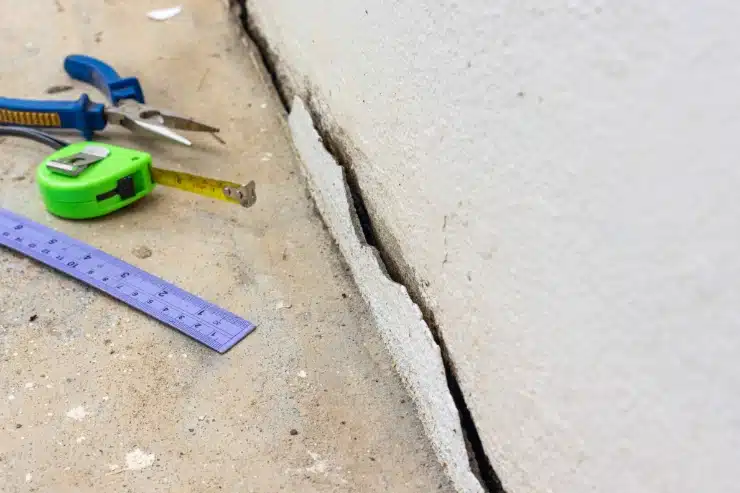
The Short Answer
A small amount of foundation settlement is normal. Most homes experience some movement as the soil beneath the structure adjusts to the weight of the home. What concerns us is:
- Ongoing movement
- Uneven settlement
- Structural cracking
- Doors and windows that suddenly stop working properly
- New signs that continue getting worse
Settlement itself isn’t automatically a problem. Progressive settlement is.
What We Typically See in 5-Year-Old Homes
Many homeowners are surprised to learn that newer homes often experience some of the most noticeable settlement.
Why?
Because the soil is still adjusting. Even when builders properly compact soil, there is often some natural settling that occurs during the first several years after construction. In homes around five years old, we commonly see:
- Minor drywall cracks
- Small cosmetic cracks near doors or windows
- Hairline foundation cracks
- Slight seasonal movement
Most of these issues are cosmetic and stabilize over time. One thing we often tell homeowners is that a small crack in a relatively new home isn’t necessarily a sign of failure. Sometimes it’s simply part of the home finding its long-term resting position.
What We Typically See in 20-Year-Old Homes
By the time a home reaches 20 years old, most initial settlement has already occurred. At this stage, we’re usually looking for signs of new movement rather than original settlement. During inspections of homes in this age range, we commonly evaluate:
Vertical
foundation cracks
Stair-step
brick cracks
Sticking
windows
Uneven
floors
Drainage-related
movement
One thing we often find is that water management becomes a bigger factor than the age of the home itself. Poor drainage, clogged downspouts, or changing soil moisture conditions can trigger new settlement even decades after construction. Learn more about foundation cracks and what they mean here.
What We Typically See in 50-Year-Old Homes
Older homes tell a different story. If a home has been standing for 50 years, much of its original settlement is long behind it. That doesn’t mean it can’t move. In fact, many of the foundation issues we inspect in older homes are related to:
Aging drainage systems
Expansive clay soils
Tree root activity
Decades of seasonal
soil movement
One thing we’ve noticed over the years is that many homeowners assume cracks in older homes are “just because it’s old.” Sometimes that’s true. Other times, those cracks indicate active movement that deserves attention. Age alone doesn’t determine whether settlement is normal. The pattern of movement matters more.
How Do You Know if Settlement Is Still Active?
This is one of the most important questions during an inspection. A foundation crack that formed ten years ago and hasn’t changed may be completely different from a crack that appeared six months ago and continues growing. Signs of active settlement may include:
- Cracks that continue widening
- New cracks appearing
- Doors or windows becoming harder to operate
- Floors becoming increasingly uneven
- Separation around trim or moldings
The key is change. If conditions are changing, the home should be evaluated.
When Monitoring Is Acceptable
Monitoring may no longer be appropriate if you notice:
- Horizontal wall cracks
- Bowing foundation walls
- Significant stair-step cracking
- Rapidly widening cracks
- Water intrusion
- Structural movement affecting doors and windows
These signs often indicate that something more significant is happening beneath or around the foundation. Learn more about our foundation settlement repair services here.
What Causes Settlement in Northern Indiana?
The causes vary, but some of the most common include:
- Expansive clay soils
- Excess moisture
- Drought conditions
- Poor drainage
- Soil erosion
- Tree roots
- Improperly compacted fill soil
One thing we’ve learned after years of inspections is that settlement is often tied directly to moisture changes around the home. Water management plays a bigger role than many homeowners realize.
What We Tell Homeowners Most Often
A common misconception is that every crack means foundation repair is needed. That’s simply not true. Many homes develop minor settlement cracks and never experience major structural issues. What matters is whether the movement is continuing.
The homeowners who typically avoid costly repairs are the ones who catch changes early, maintain proper drainage, and have questionable conditions evaluated before they become larger problems.
Final Thoughts
Some foundation settlement is normal. Most homes experience at least a small amount of movement during their lifetime. The key is understanding the difference between normal settlement and ongoing structural movement.
In our experience, the age of the home matters far less than whether the conditions are stable or changing. When in doubt, a professional inspection can provide peace of mind and help determine whether monitoring is sufficient or repairs are needed.
Contact Us for Expert Foundation Repair in Northern Indiana
If you’ve noticed foundation cracks, uneven floors, sticking doors, or other signs of settlement, A&M Waterproofing & Foundation Repair can help. Our team has inspected homes throughout Northern Indiana and can determine whether what you’re seeing is normal settlement or a sign of a larger issue.
Contact us today to schedule an inspection.