
How Do I Know If My Sump Pump Is Actually Working?
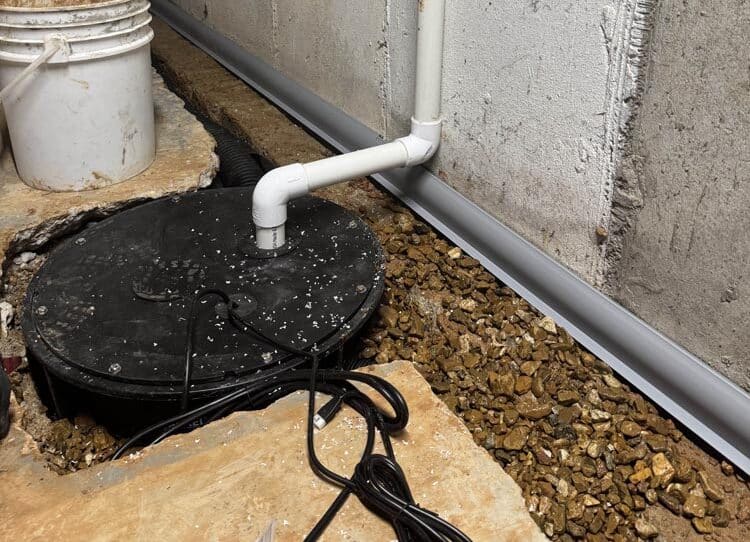
A sump pump is easy to forget about when your basement is dry. Then Northern Indiana gets several days of heavy rain, water starts entering the sump pit, and suddenly you're depending on a piece of equipment you may not have checked in months.
Fortunately, you don't have to wait for a storm to find out whether your sump pump works. We recommend homeowners periodically check their sump pump and pay attention to changes in how it operates. A pump that turns on isn't necessarily a guarantee that the entire system is working properly.
Quick Answer: How Can I Test My Sump Pump?
One of the simplest ways to check a sump pump is to slowly pour water into the sump pit. As the water rises, the float should activate the pump. The water level should then drop as the pump moves water out through the discharge line, and the pump should shut off once the appropriate water level is reached.
During the test, pay attention to the entire cycle. The pump should start without struggling, remove water efficiently, and shut off normally. You should also confirm that water is actually reaching the exterior discharge location rather than simply hearing the motor run.
If the pump doesn’t turn on, runs without lowering the water, makes unusual noises, or doesn’t shut off, it should be evaluated before you have to rely on it during a storm.
Don't Just Listen for the Motor
This is an important distinction. Hearing your sump pump run tells you the motor is operating, but it doesn’t tell you whether water is successfully leaving the house. A clogged or frozen discharge line, damaged pipe, failing check valve, or problem with the pump itself can reduce how effectively the system moves water. That’s why we want to see the water level in the pit drop during a test and verify that the discharge system is functioning.
During periods of heavy rain, you can also pay attention to how quickly the pit refills. A sump pump that removes water but can’t keep pace with incoming groundwater may still leave the basement vulnerable.
Check the Float
The float is what tells your sump pump when it’s time to turn on. As water rises inside the pit, the float rises with it and activates the pump. Floats can occasionally become stuck against the side of the sump pit, tangled with a power cord, or obstructed by debris. In those situations, the pump itself may be perfectly functional but never receive the signal to start.
Make sure the float has enough room to move freely through its normal range. If you aren’t comfortable working around the equipment, have the system professionally inspected rather than reaching into the pit while electrical components are connected.
Look Inside the Sump Pit
A sump pit doesn’t have to be spotless, but excessive sediment and debris can create problems. We sometimes find dirt, gravel, or other material accumulating around pumps, especially in older systems. Debris can interfere with the float or eventually affect pump operation.
You should also pay attention to how water enters the pit. If your home has an interior drainage system, water should be able to move through that system and reach the sump. A working pump can’t protect the basement if the drainage system isn’t delivering water to it properly.
Check Where the Water Discharges
Where the sump pump sends water is almost as important as whether the pump runs. The discharge should carry water far enough away that it doesn’t immediately soak back into the soil next to the foundation. If water is being released right beside the house, the system may end up repeatedly pumping some of the same water.
During Northern Indiana winters, exterior discharge lines can present another concern. A frozen or blocked discharge can prevent the pump from moving water even when the pump itself is operating. This is why we look at the sump pump as one component of a larger basement drainage system rather than treating it as a standalone appliance.
How Often Should a Sump Pump Run?
There isn’t one normal schedule. During a dry period, your sump pump may go days or longer without running. After heavy rain or snowmelt, it could operate much more frequently as groundwater around the foundation rises.
What we’re more interested in is a change from what’s normal for your home. If a pump that rarely operated suddenly starts running every few minutes, something has changed. The ground may be unusually saturated, drainage around the property may be directing more water toward the foundation, or another condition may be increasing the amount of water reaching the sump.
A pump that runs continuously should also be investigated. Continuous operation can indicate a high water load, a pump that isn’t keeping up, a discharge problem, or a mechanical issue.
What If the Power Goes Out?
This is one of the weaknesses of relying on a standard electric sump pump. Some of the storms that produce the most groundwater can also knock out power. If the primary sump pump depends on household electricity, it can’t operate during an outage unless there’s a backup system available.
For homes with a history of significant groundwater or sump activity, a backup sump pump can provide another layer of protection. Whether one makes sense for your home depends on how much water the system handles and the consequences if the primary pump stops working.
What We Check When a Sump Pump Isn't Keeping Up
When homeowners call us because their sump pump seems to be struggling, we don’t automatically assume the pump itself is the problem. We look at how water enters the sump, how quickly the pit fills, whether the float is operating correctly, the condition and capacity of the pump, and where the discharge line sends the water. We may also look at exterior grading, downspouts, and drainage conditions around the home.
That’s important because replacing a pump won’t solve a clogged discharge line or a drainage problem that’s sending an excessive amount of water toward the foundation. After inspecting thousands of homes throughout South Bend, Mishawaka, Elkhart, Plymouth, and the surrounding Northern Indiana communities, we’ve learned that the sump pump is only as reliable as the system around it.
Test Your Sump Pump Before You Need It
The worst time to discover a sump pump problem is during a multi-day rain event when groundwater is already rising. Testing the pump periodically gives you an opportunity to catch a stuck float, discharge problem, unusual noise, or failing pump before you’re depending on it to keep your basement dry. It’s also worth checking the system before the wetter parts of the year and after any long period when the pump hasn’t operated.
If something doesn’t seem right, don’t assume that hearing the motor means everything is working properly. Make sure water is actually entering the pit, being pumped out, and safely discharged away from the foundation.
Have A&M Check Your Sump Pump and Basement Drainage System
If you’re unsure whether your sump pump is working properly, our team can evaluate the pump along with the drainage system that supports it.
We’ll look at how water reaches the sump, whether the pump is operating correctly, where the water is being discharged, and whether other basement or exterior drainage problems are contributing to the amount of water around your foundation. If the pump needs replacement or another part of the waterproofing system needs attention, we’ll explain what we find and recommend the appropriate next step.
Contact us to schedule an inspection before the next heavy Northern Indiana rain puts your sump pump to the test.